
The Town Of Lima - Oklahoma
A Legacy of Education, Faith, and Community
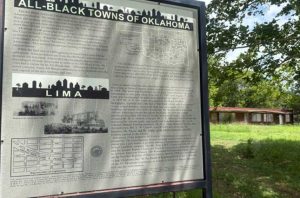
Lima, Oklahoma is one of the historic All-Black towns of Oklahoma, established in the early 1900s during a period when African American communities across Indian Territory built independent towns grounded in self-reliance, education, and strong civic life. Though small today, Lima holds a meaningful place in Oklahoma’s African American history.
 Quick Facts
- County: Seminole County
- Founded: Early 1900s (circa 1904)
- Incorporated: April 8, 1913
- Post Office: July 17, 1907 – August 23, 1957
- Population: 168 (2020 Census)
- Rail Connection: Rock Island Railroad
- Historic Designation: Rosenwald Hall listed on the National Register of Historic Places
 History of Lima
Lima was named for the limestone quarries in the surrounding area, which helped define the town’s early identity. Its location along the Rock Island Railroad provided essential access to trade and travel, allowing the community to develop into a modest but active rural center.
The town officially incorporated on April 8, 1913, just six years after Oklahoma became a state. Like many All-Black towns, Lima was built by African American settlers seeking opportunity, land ownership, and the ability to govern their own community.
 Town Layout and Development
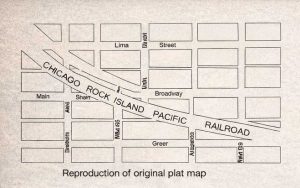 Lima’s original town design followed a grid layout typical of early 1900s communities, centered around the railroad.
The original plat map shows:
- Main Street
- Broadway
- Railroad corridors
- Structured residential and business lots
This layout reflects careful planning to support both commerce and community life.
 Historic Landmarks
Key sites connected to Lima’s history include:
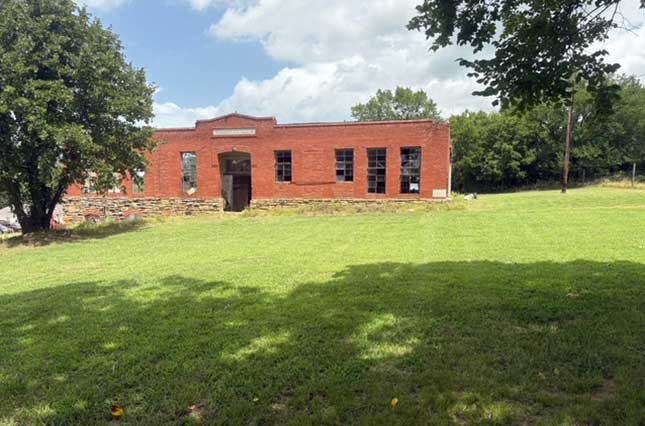
- Rosenwald School Building (1921)
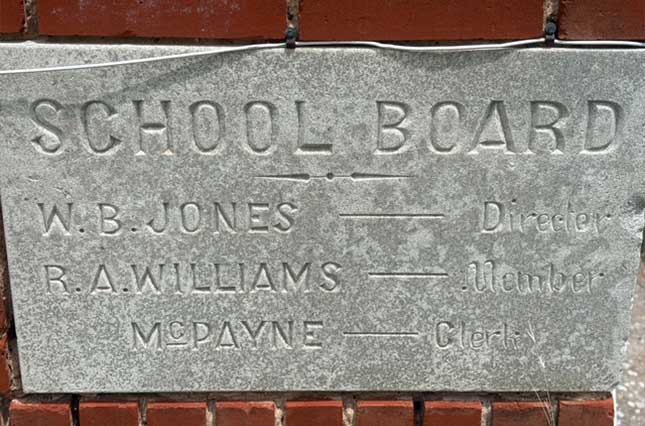
- Early 20th-century school structures
- Mt. Zion A.M.E. Church
- Secipio Baptist Church
- Original townsite layout
These landmarks highlight Lima’s strong foundation in education, faith, and self-sufficiency.
 Lima’s Role in Oklahoma’s Black Town History
Lima is one of 14 historically All-Black towns in Oklahoma that remain incorporated today.
Between 1865 and 1920, African Americans founded more than 50 towns across Oklahoma, creating one of the most unique chapters in American history.
These communities provided:
- land ownership opportunities
- independent governance
- business development
- access to education
Lima stands as part of this powerful legacy.