
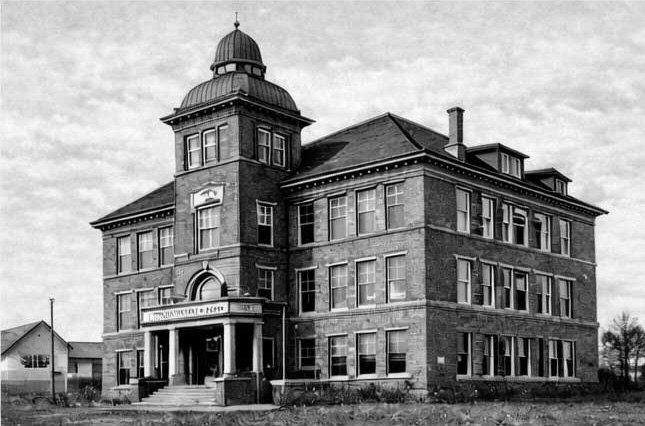
A Story Unlike Anywhere Else in America
The story of Oklahoma’s Historic Black Towns is one of courage, determination, and vision. While many communities across America struggled with the challenges of Reconstruction and racial discrimination following the Civil War, African American pioneers saw opportunity in the lands that would become Oklahoma.
Between the late 1800s and early 1900s, more than 50 all-Black towns were established throughout Oklahoma Territory and the Indian Territory. These communities were founded by formerly enslaved people, Black pioneers, entrepreneurs, educators, ministers, and civic leaders who sought a place where they could build prosperous communities, own land, govern themselves, and create opportunities for future generations.
No other state in the nation has a history quite like Oklahoma’s. The concentration of Black-founded communities here remains one of the most significant examples of African American self-determination in United States history.
The Founding of Oklahoma’s Black Towns
Following emancipation and the end of the Civil War, many African Americans migrated westward in search of freedom and opportunity. The opening of lands in Oklahoma Territory, combined with the presence of formerly enslaved tribal members known as Freedmen within the Five Civilized Tribes, created unique opportunities for Black settlement.
Visionary leaders promoted Oklahoma as a place where African Americans could own farms, establish businesses, educate their children, and participate fully in civic life. Newspapers and community organizers encouraged Black families from the South to relocate and build new lives in the region.
As a result, Black communities began appearing across Oklahoma. Some developed around railroad lines, while others grew from agricultural settlements. Churches, schools, banks, newspapers, businesses, and local governments quickly followed.
These towns became symbols of hope and independence during a time when racial segregation and discrimination were widespread across the United States.
A Golden Era of Growth
During the early 1900s, many of Oklahoma’s Black towns flourished.
Farmers cultivated thousands of acres of land. Local merchants opened stores, restaurants, and service businesses. Schools educated young people, churches served as community centers, and elected officials governed local affairs.
Several communities became regional economic hubs. Towns such as Boley gained national recognition for their success and prosperity. Booker T. Washington, one of America’s most influential educators and leaders, famously praised Boley as one of the most enterprising Black communities in the nation.
The success of these towns demonstrated what was possible when communities had the opportunity to control their own future.
Challenges and Change
Despite their accomplishments, Oklahoma’s Black towns faced significant challenges throughout the twentieth century.
Economic changes, mechanization of agriculture, migration to larger cities, changing transportation routes, and broader social shifts led many residents to relocate in search of employment opportunities. Some towns lost population as younger generations moved to urban areas.
Over time, many of Oklahoma’s original Black towns disappeared or became unincorporated communities.
Yet a small but determined group survived.
Today, thirteen historic Black towns remain incorporated, preserving an important part of Oklahoma’s heritage and continuing the work of those early pioneers.
The 13 Remaining Incorporated Historic Black Towns
The thirteen incorporated Historic Black Towns of Oklahoma are:
- Boley
- Brooksville
- Clearview
- Grayson
- Langston
- Lima
- Redbird
- Rentiesville
- Summit
- Taft
- Tatums
- Tullahassee
- Vernon
Each town has its own unique story, traditions, and contributions to Oklahoma’s history. Together, they represent a living connection to the vision and determination of their founders.
Preserving a Living Legacy
Today, these communities continue to celebrate their heritage through festivals, historical programs, educational initiatives, museums, and community events.
Organizations, local governments, historians, educators, and residents work together to preserve historic buildings, collect oral histories, and share the stories of the people who helped shape these towns.
Visitors from across the country travel to Oklahoma to learn about this remarkable chapter in American history. Scholars and researchers continue to study the Black Town movement as one of the most important examples of African American community-building in the United States.
The survival of these towns is a testament to resilience, leadership, and community pride.
Looking Toward the Future
The Historic Black Towns of Oklahoma are more than historical landmarks. They are active communities with residents, businesses, churches, schools, and local governments working to build a stronger future.
As interest in heritage tourism, cultural preservation, and community development grows, new opportunities continue to emerge for these towns. By embracing both their history and their future, Oklahoma’s Black Towns remain powerful examples of perseverance and self-determination.
Their story is not simply about the past.
It is about people who dared to dream of something better, built thriving communities against tremendous odds, and created a legacy that continues to inspire generations today.
The Historic Black Towns of Oklahoma stand as enduring symbols of freedom, opportunity, leadership, and hope—an extraordinary chapter in Oklahoma history and a treasured part of America’s story.